Built for the missions the current system cannot serve.
Skyfield is not built to replace human controllers in dense commercial airspace. Skyfield is built for the categories of airspace operation where the current human-controlled system cannot scale to meet demand. Three deployment categories define Aethon's mission focus.
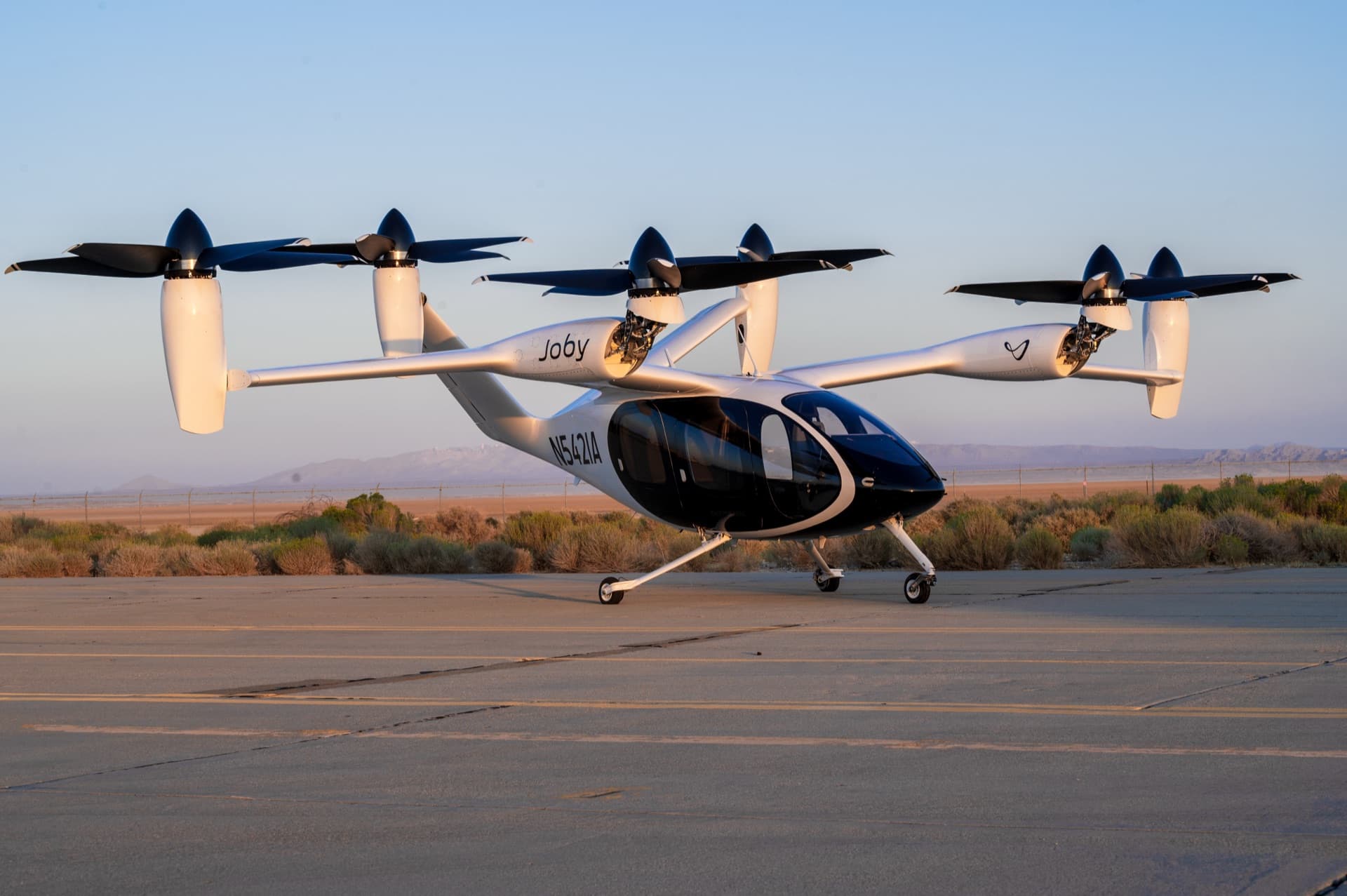
Urban Air Mobility corridors.
Urban Air Mobility eVTOLs are entering FAA Type Certification with operational deployment expected within five years. The traffic densities envisioned for UAM exceed what conventional human-controlled ATC can manage in low-altitude metropolitan airspace.
Skyfield manages UAM corridor traffic at densities and velocities beyond human ATC capacity. Routing, separation, and ground-coordination are autonomous. Human supervisors maintain operational oversight without bearing the cognitive load of real-time separation decisions.
The FAA Concept of Operations for UAM Version 2.0 explicitly contemplates automated airspace management as part of the deployment architecture. Skyfield is built to operate within that architecture.
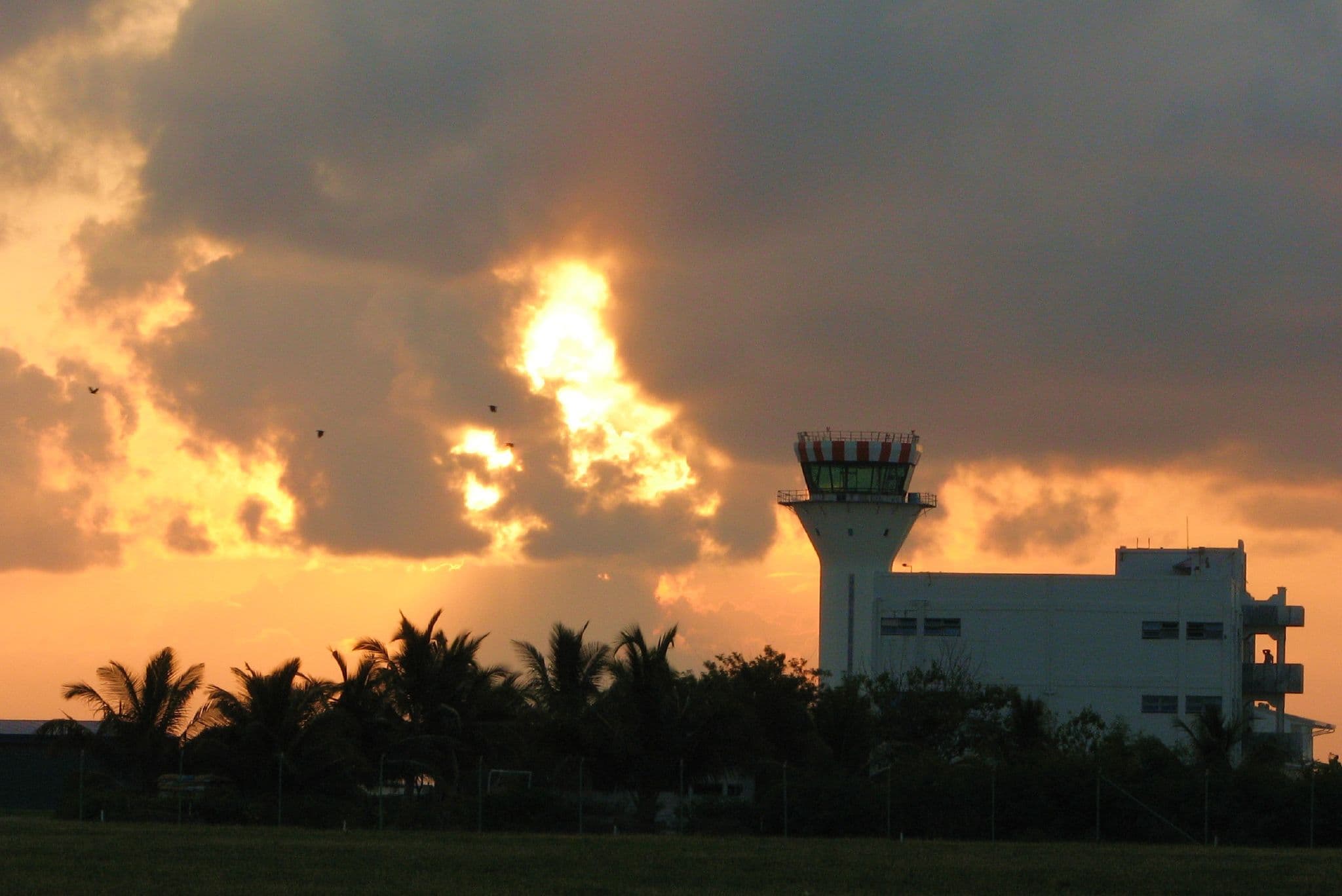
Emerging-market regional airspace.
Many of the world's regional airports operate in airspaces where the per-operation cost of full human-controlled ATC infrastructure substantially exceeds the realistic benefit at current traffic volumes. Inter-island commercial aviation, regional commercial service in emerging markets, and adjacent airspace operations are constrained by aging infrastructure and controller shortages.
Skyfield enables economically viable ATC service in airspaces where the human-controlled model is not sustainable. Tower-equivalent autonomous services. Approach and departure control. Procedural separation in oceanic and remote airspaces.
Skyfield's initial regional deployments target jurisdictions actively pursuing aviation infrastructure modernization through civil aviation authority partnerships.
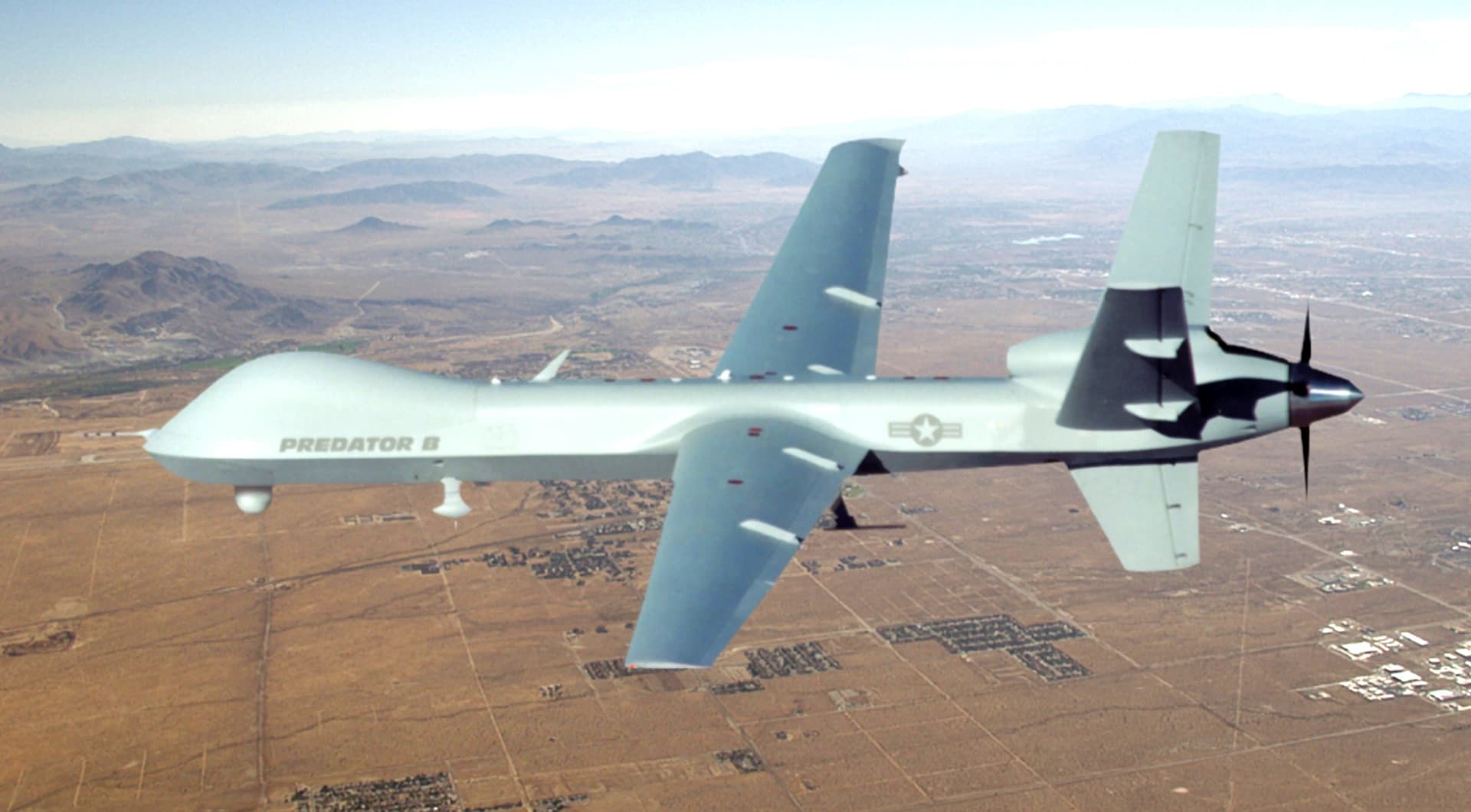
Beyond Visual Line of Sight operations.
Commercial drone operations are reaching operational scale across agricultural surveillance, infrastructure inspection, cargo delivery, and scientific monitoring. The FAA's Part 108 NPRM and equivalent international frameworks are actively seeking automated airspace management solutions for BVLOS operations at scale.
Skyfield manages BVLOS airspace at densities and operational tempos that have no human-controller equivalent. Detect-and-avoid coordination is autonomous. Conflict resolution with manned traffic is automated. Coordination with regulatory airspace boundaries is continuous.
Initial BVLOS deployments are targeted through international partnerships with civil aviation authorities operating UAS-friendly regulatory frameworks.
Phased deployment over 60 months.
Aethon's deployment strategy is structured against the regulatory readiness and operational complexity of target markets. Each phase is calibrated for the operational confidence Skyfield has established in prior phases.
Research partnership and proof of concept
- Credibility-establishing partnerships
- UAE, Singapore, Rwanda, Iceland, Caribbean SIDS
- Capital: SBIR Phase I + II, founder capital
- Milestone: first signed research/partnership agreement
First paid operational pilots
- Paid operational pilots with ANSPs
- Tier 1 jurisdictions, expanded
- Capital: Series A ($15–40M, defense-tech VCs)
- Revenue: $300K–$1.5M per pilot contract
Production deployment and expansion
- Multi-year licensing agreements
- Tier 1 + adjacent + US DoD/DHS
- Capital: Series B against operational revenue
- Category leader position established